Justin Jay Wang

10 notes tagged Design. View all

My family and I visited the Charles M. Schulz Museum up in wine country the other weekend. What began as an unassuming detour — to the “Snoopy Museum,” as we called it — left me unexpectedly moved and deeply inspired.

A person who is able to contribute something to the world is a fortunate person, and each of us should be able at least to ‘brighten the corner’ where we are.

— Charles M. Schulz
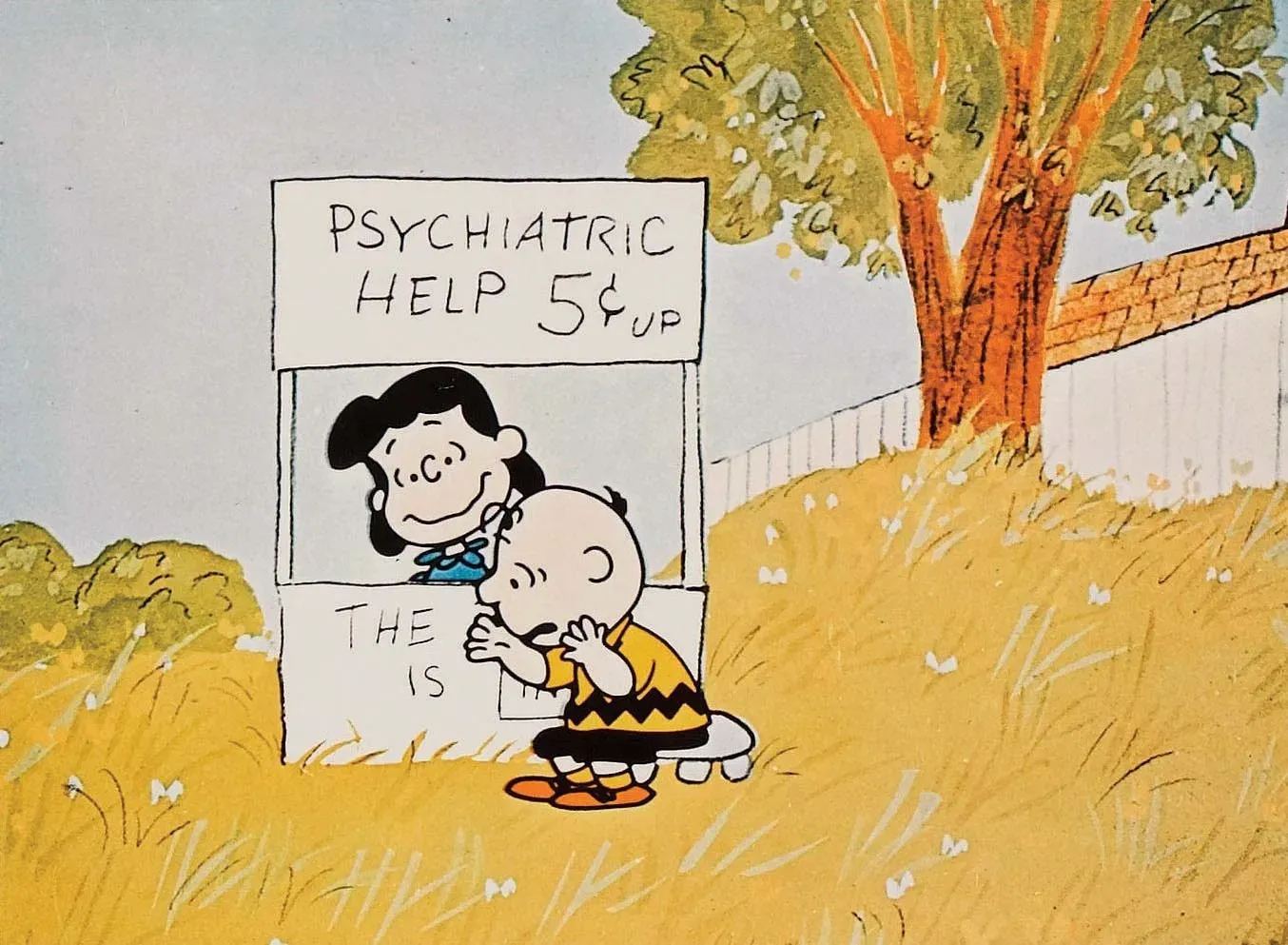
A Boy Named Charlie Brown (1969). © 1969 Cinema Center Films / National General Pictures.

For nearly fifty years, the enormous cultural phenomenon of Peanuts essentially came from one person’s hand and mind. From his little corner of Northern California, Schulz reached the whole world.

His was a creative life built through practice, repetition, and constraint. He said, “Sitting down in the same place each day turns on the creativity.” Find a constraint deep enough, and you can spend a lifetime discovering what’s inside it.

Filed under: Reflection Design

I loved reading The Creative Act: A Way of Being by music producer Rick Rubin. It’s organized into 78 short reflections — easy to pick up, put down, and come back to.

A few select quotes from Rubin:

  1. Good habits create good art.
  2. Ultimately, your desire to create must be greater than your fear of it.
  3. As soon as a convention is established, the most interesting work would be the one that doesn’t follow it.
  4. Communicate your singular perspective.
  5. The world isn’t wanting more of the same.
  6. Inspiration comes first. You come next. The audience comes last.
  7. The best work is the work you are excited about.
  8. Being an artist means to be continually asking, “How can it be better?” whatever it is. It may be your art, and it may be your life.

And a few more he cites in the book:

  1. It’s the little things that make the big things come about. (John Wooden)
  2. The personal is the universal. (Carl Rogers)
  3. The object isn’t to make art, it’s to be in that wonderful state which makes art inevitable. (Robert Henri)
Filed under: Design Media

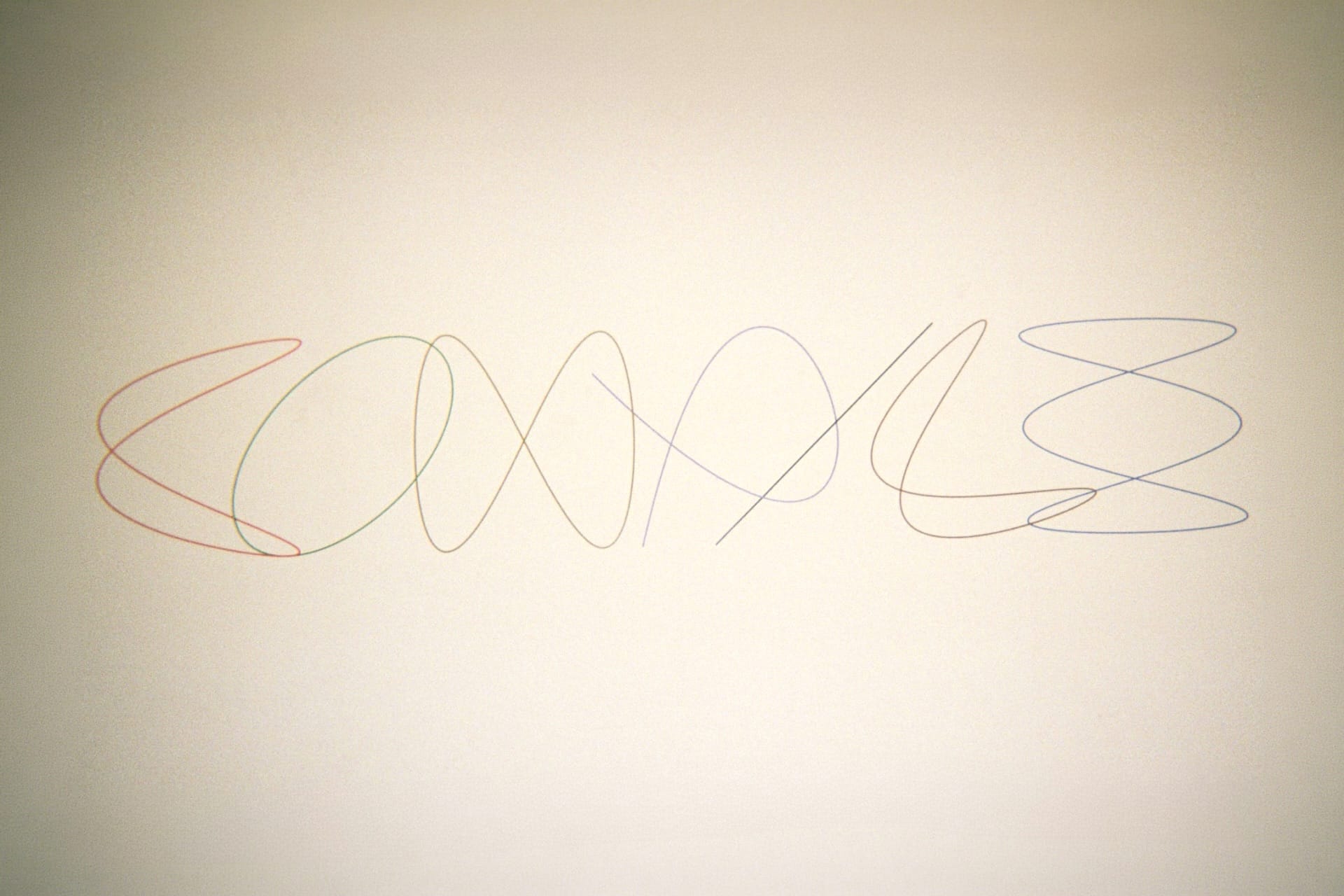
Who doesn’t love a good easter egg? There’s a fun one in Google for typophiles: try searching for Matthew Carter or Georgia font. Works for a handful of other fonts, too.

Filed under: Design

I had fun creating Notion-style avatars of the family using their new Notion Faces tool. What a clever idea, to take their branded illustration style—which they’ve consistently used since day one—and open it up for anyone to create their own portraits.

Filed under: Design
Well-designed products, brands, experiences:

  • Apple
  • Clear
  • Medium
  • Rdio
  • SoundCloud
  • Southwest Airlines
  • Dropbox
  • Zappos
  • Amazon
  • Dyson
  • Jawbone
  • New York Yankees
  • Green Bay Packers
  • Feltron annual reports
  • IKEA
  • American Apparel
  • Uniqlo
  • Target
  • The NBA
  • The New York Times interactive stories
  • Wes Anderson films
  • tennis
  • soccer
Filed under: Lists Design
I finished reading Walter Isaacson’s Steve Jobs biography, using iBooks, on my iPhone. Some thoughts and takeaways:

  1. Importance of intuition, often times over rational thought.
  2. Product, not profit. I remember being surprised at how profit-driven some of the business students were in my collaborative MBA/engineer class last year. Focus on making a great product, instead.
  3. Less is more. Giving the user fewer features and fewer options means a more focused, elegant product and experience. I agree often times users don’t know what they want.
  4. In some cases, Jobs took the approach of prioritizing design, and finding a way to engineer it later. Even better, make great engineering the essence of the design itself, so that a product’s aesthetic elegance is exactly its elegance in engineering or manufacture. It’s hard to decouple design and engineering, so arguably the best of both worlds would be an engineer who understands the importance of design.
  5. The people you work with and quality of work. It’s not hard to differentiate great work from not-so-great work; I’ve been fortunate to have worked with a handful of people who produce great work in my time at school.
  6. Take inspiration from nature. Make products that are harmonious, that take the path of least resistance.
  7. Look at how the tools and products that humans create fit into the big picture. Then make a dent in the universe.

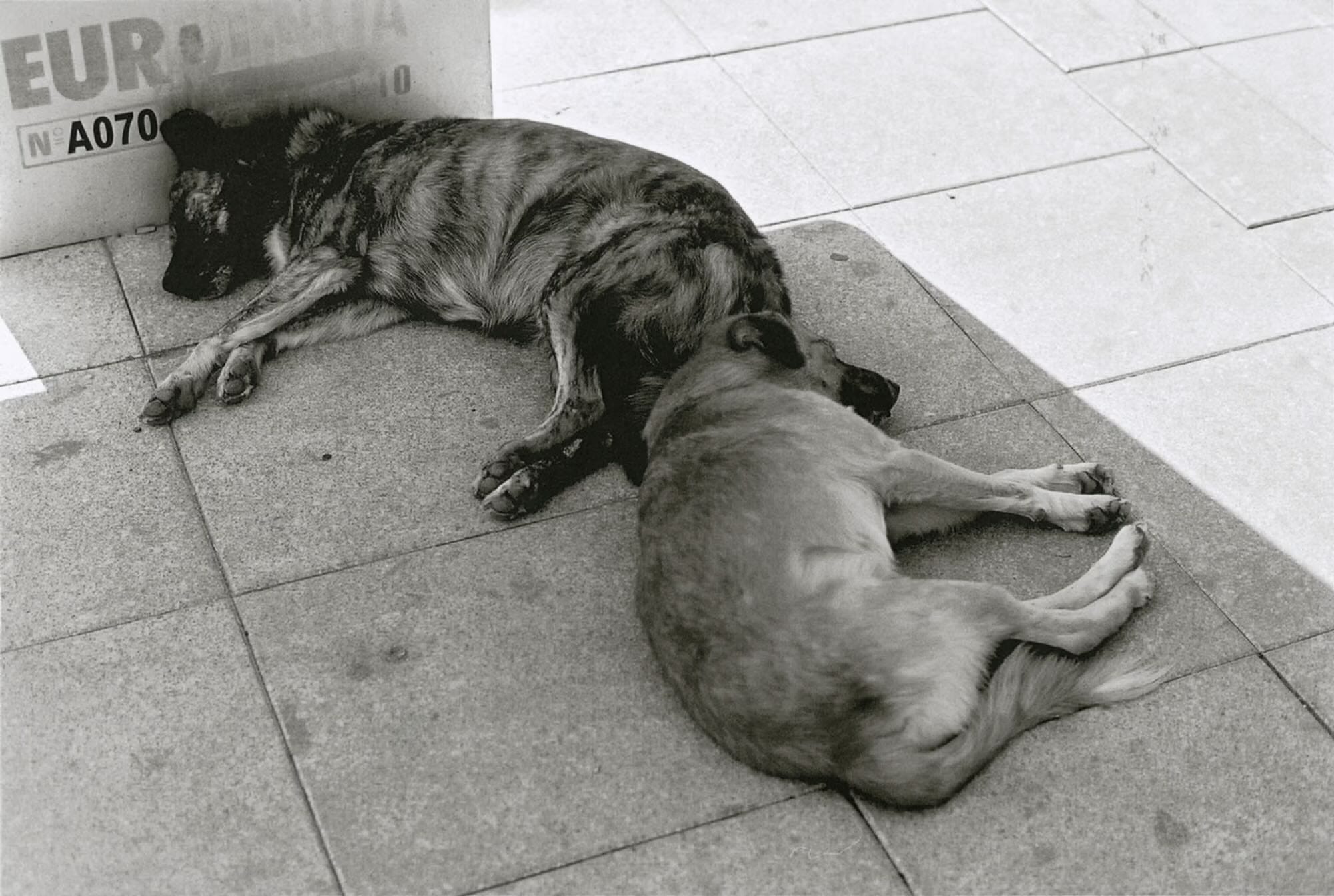
I still remember being intrigued by Wolfgang Tillmans’s photos when I saw his installation at Hamburger Bahnhof in Berlin, 2008. I was determined to remember his name so I could look him up later.

Wolfgang Tillmans, Your Dogs (2008)

Filed under: Design